
Blood transfusions for anemia take a toll in myelofibrosis care, patients say
Interviews, survey show significant burden with need for frequent treatment
Written by |
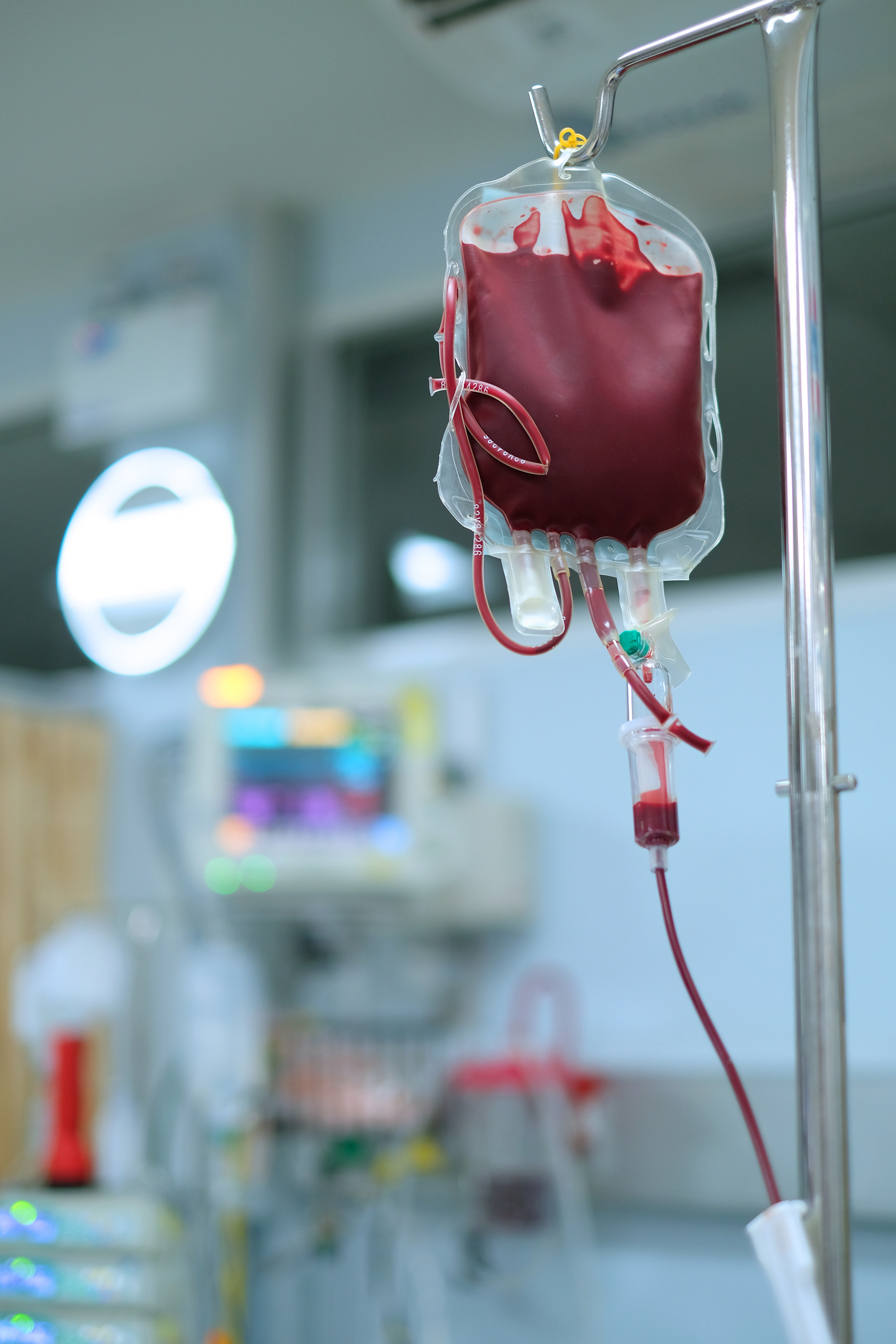
Blood transfusions are a standard treatment for people with myelofibrosis and anemia. (Image from iStock)
Many adults living with myelofibrosis say that needing frequent blood transfusions for severe anemia — a medical condition marked by a shortage of red blood cells — creates a significant, “multifaceted” treatment burden with notable time and “travel requirements,” according to a new multinational study.
Drawing on interviews with 20 myelofibrosis patients, and responses to an online survey involving more than 150 others across six countries, the researchers found that the need for red blood cell transfusions to manage severe anemia is associated with substantial physical, emotional, and logistical burdens — “and patients’ strong desire to minimize their frequency.”
Indeed, among those considered transfusion-dependent, slightly more than half rated efforts to cut the need for these treatments as “extremely important,” the team noted.
Overall, “this study underscores the significant symptom burden of anemia and the broad impacts of transfusion dependence in [myelofibrosis],” the researchers concluded, adding that the results “support the development of patient-centered therapies that [ease] anemia and reduce transfusions.”
Having additional treatment options to reduce this complication and lessen the need for blood transfusions would “[address] key medical needs in [myelofibrosis] management,” the researchers wrote.
The study, “Perceived and experienced impacts of anemia and transfusion dependence in myelofibrosis: a mixed-methods study,” was published in the journal BMC Cancer. The work was funded by GSK, which markets Ojjaara, an approved oral therapy for anemia in myelofibrosis. Four of the study’s 11 authors work for the pharmaceutical company.

Myelofibrosis is a rare type of chronic blood cancer in which scar tissue builds up in the bone marrow, the spongy insides of certain bones, and interferes with the production of healthy blood cells. Symptoms include an enlarged spleen, fatigue, weight loss, fever, and night sweats.
Anemia affects about 35% of people with myelofibrosis at diagnosis and tends to worsen as the disease progresses. When anemia becomes severe, patients often require red blood cell transfusions, and some eventually become transfusion-dependent — a status linked to worse survival and quality of life, the researchers noted.
Little is known about how patients view the need for treatment
However, despite these known clinical effects, little has been done to find out how myelofibrosis patients themselves experience the burden of anemia and regular blood transfusions, according to the research team.
“Understanding this is essential for developing patient-centered treatment strategies,” the team wrote. To learn more, the researchers interviewed 20 adults, split evenly by sex, with symptomatic myelofibrosis. The interviews were conducted with patients across the U.S., the U.K., Spain, Poland, Italy, and Germany.
Among the participants, 15 (75%) were transfusion-independent, and five were transfusion-dependent. All had previously received a JAK inhibitor, a standard first-line treatment option for managing intermediate- or high-risk myelofibrosis.
A total of 17 patients (85%) had been diagnosed with anemia after their myelofibrosis diagnosis, and nearly all (90%) had received a transfusion at some point. Among those with anemia, the most common symptoms were fatigue (94%), weakness (53%), and night sweats (29%), which impacted emotions (88%), physical health (71%), and social life (71%).
One participant spoke about social withdrawal: “My social life, I think I get really anxious, and I don’t keep much of circles of friends… I think I have been stuck in my bedroom for months now just going out to get some groceries and getting back in.”
Transfusion-dependent participants described specific concerns about frequent transfusions, with safety and convenience noted by all 20. Travel requirements were cited as a concern by 80%. These issues in turn led to emotional (80%), physical (60%), and daily-activity (60%) impacts. Most — 80% or 16 patients — said going at least 12 weeks without a transfusion would improve their quality of life.
Understanding [the experiences related to frequent blood transfusions for anemia in myelofibrosis] is essential for developing patient-centered treatment strategies.
One transfusion-dependent patient described the emotions of relying on donated blood: “I don’t like receiving blood from different people…I feel like their blood is not part of me…but so essential, so I can’t reject it… it’s a lot for me, but I have no choice. Just to stay alive, I just keep going. I have to do it.”
Among transfusion-independent patients, nearly three-quarters expressed concern about becoming transfusion-dependent in the future.

After interviews, researchers turned to online survey for more info
These interview findings then informed a larger online survey completed by 155 respondents, slightly more than half of whom were women. Of these, about half were transfusion-dependent and about one-third were transfusion-independent. A total of 28 (18%) were transfusion-naïve, meaning they had yet to have this treatment.
The survey found that most respondents (88%) were anemic and had transfusion experience (82%). Commonly reported anemia symptoms were fatigue, experienced by 85%, and weakness, noted by 73. Nearly half experienced headaches, dizziness or lightheadedness, and slightly more than one-third had shortness of breath.
Among all, negative impacts affected daily activities for 73%, physical activities for 56%, ability to think for 54%, and emotional health for 53%, the data showed.
Regardless of transfusion status, about 60% of participants rated frequent transfusions as “extremely” or “quite a bit” bothersome, with the most common impacts on daily activities (56%) and emotional health (52%). More than half (59%) found frequent transfusions “extremely” or “quite a bit” inconvenient, with time spent at the clinic (81%), travel time (40%), and scheduling issues (32%) cited most often.
One patient summarized the emotional toll: “Well, if I have less blood transfusions, I’ll have more free time and less worry about having to go, because even though it’s one day it’s always a disturbance or annoyance or inconvenience and you think about it all the time.”
Respondents also expressed concern about the clinical risks associated with transfusions. Across all groups, common concerns included the risk of side effects and viewing the need for frequent transfusions as a sign of worsening disease.

Patients call reducing transfusions ‘extremely’ or ‘quite a bit’ important
Participants consistently rated reducing transfusion frequency as important, the researchers noted. Most (80%) said reducing transfusions to once every 16 weeks would be “extremely” or “quite a bit” important, and 74% rated never needing transfusions as “extremely” or “quite a bit” important.
Transfusion-dependent participants anticipated that a reduced transfusion frequency would most improve daily activities (67%), emotional health (57%), social life (45%), and physical activities (45%).
“So, yeah, 3 months, 6 months, once a year, every 9 months, the further out the healthier mentally I’m going to feel,” one patient noted.
The study authors concluded that “patients with symptomatic [myelofibrosis] view the need for [red blood cell] transfusions as a burden and value the prospect of reducing their frequency through treatment,” and that experiences with anemia symptoms and transfusion burdens contributed to how meaningful patients found the prospect of reducing transfusion frequency.




Dallas Pack
I have MF for approx 15 yrs. No fun!
WilltheThrill Nastali
Following my stem cell transplant, I did not completely understand the on-going treatment issues I'd face. At 112 days since the transplant, I'm at the Clinic twice a week, generally needing red blood units, and see less improvement week-to-week than I'd expected. Will there come a time when these appointments are no longer required? I really do not know, but try to be hopeful my body will be able to make its own healthy blood in the near-future. Quality of life is generally very good and I'm thankful for my donor and all the medical professionals who have seriously helped me continue living.
mildred bruce
I have blood transfusion often and I have to stay most time over night or more, because of antibodies.